Pacific Utility Construction
530.669.7812
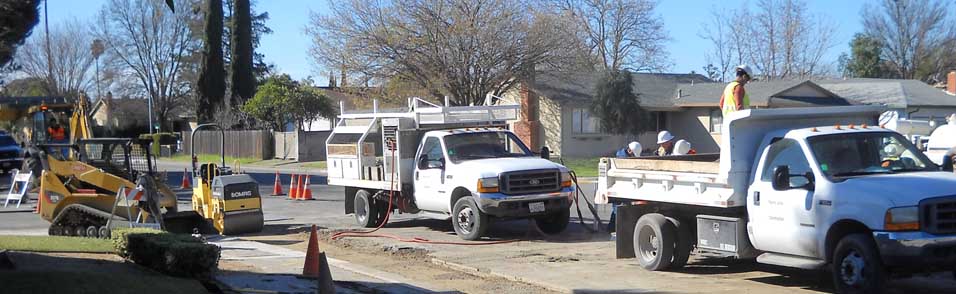
We currently provide services and have master service agreements with customers in the following industries:
NAICS Code #'s
237110, 237120, 237130
Dunn & Bradstreet #
95-837-2039
CPUC MBE Certification
VON #99IN0021
Contractors License
California A 766806
Nevada A 78424
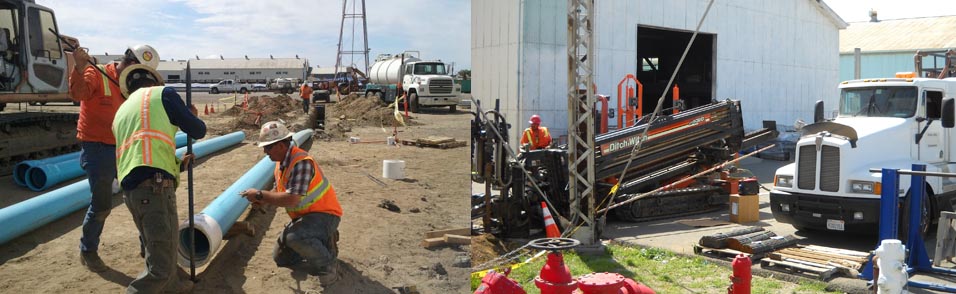
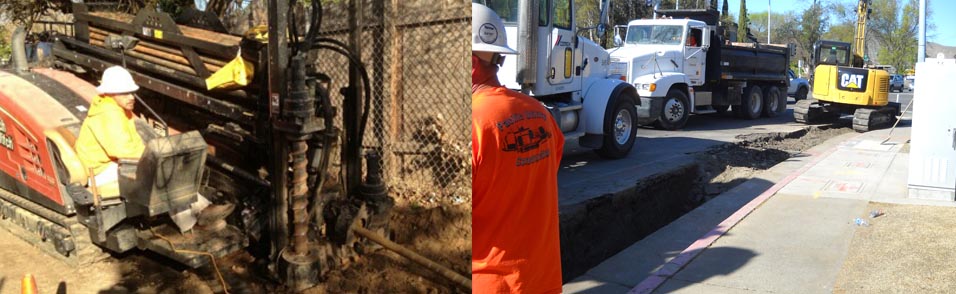
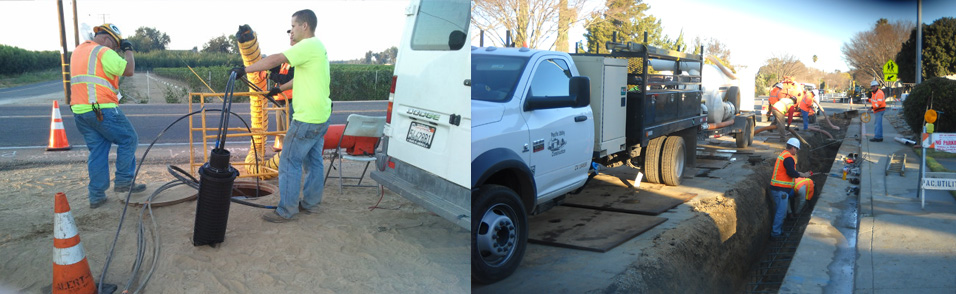
Pacific Utility Construction has been doing business in California for over 25 years and is proving to be one of the industry leaders. We are well known for our industry leading horizontal directional drilling solutions with the ability to provide full turn-key utility construction solutions. Whether you are looking for a daily rate crew, or getting a project underway, our courteous staff will be more than happy to assist in any way possible. Our goal is to provide customers with the flexibility needed to complete a wide variety of utility construction projects.
Over the years, we have continued to expand upon our capabilities; today we offer a diverse portfolio of in-house solutions that cover the gambit of services that our customers demand. Our existing customers trust that PUC will provide all the necessary solutions, even if it is not part of our existing portfolio. We will take the steps needed to provide the necessary service and incorporate it into our portfolio. Pacific Utility Construction is well positioned to satisfy all of your utility construction needs.
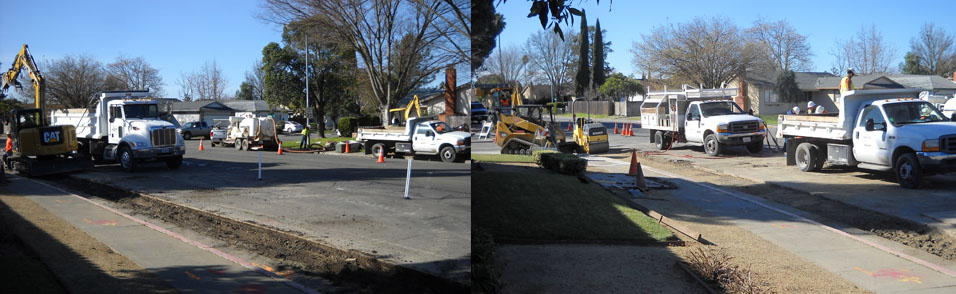
With our well maintained and extensive fleet of in-house trucks and equipment and highly experienced personnel, we have the ability to get your work completed on time and at competitive unit costs. We take great steps to retain the best personnel, as PUC strives to deliver consistent results, project after project. In addition, our strategic partnerships with companies that specialize in areas such as engineering and splicing, allow us to bundle turn-key services into a competitive package.
In addition, Pacific Utility Construction understands the importance of safety. Through our Safety Program we do not compromise our compliance with the Occupational Safety and Health Act of 1970. Our crews are assigned a "competent person," whom is specifically trained to maintain a safe working environment. We like to offer our customers cost effective solutions that are worry free. In an industry characterized by uncertainty, PUC delivers results, not unnecessary problems.
We appreciate you taking the time to get to know our company!
Feel free to call us at 530.669.7812 or send us an e-mail using our contact us form.

